
The Role of the Dot in Handwriting Computation: A Cognitive Linguistic Perspective on Arabic Handwriting Recognition
Downloads
Abstract
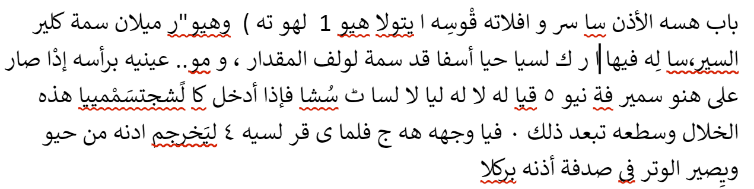
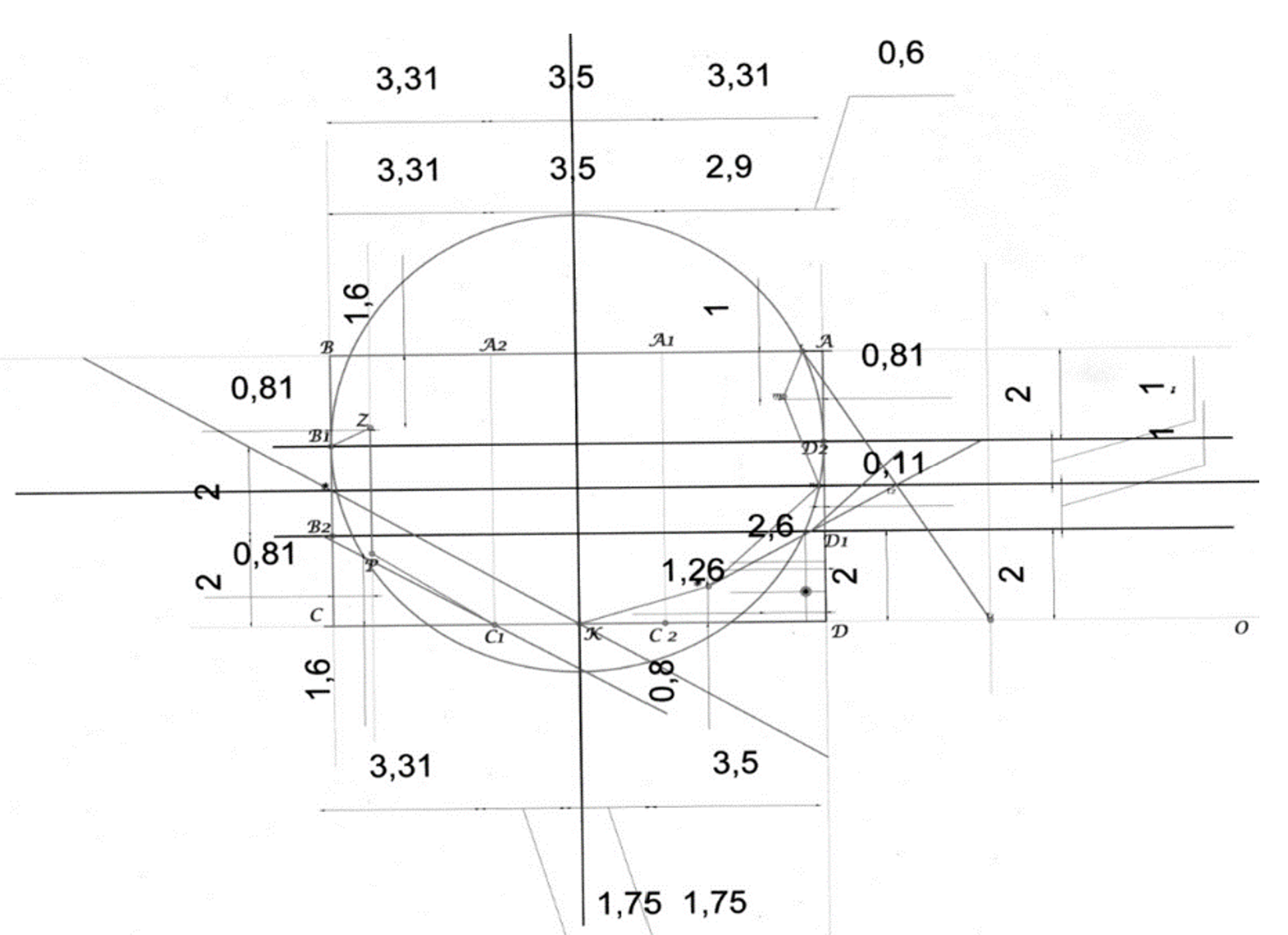
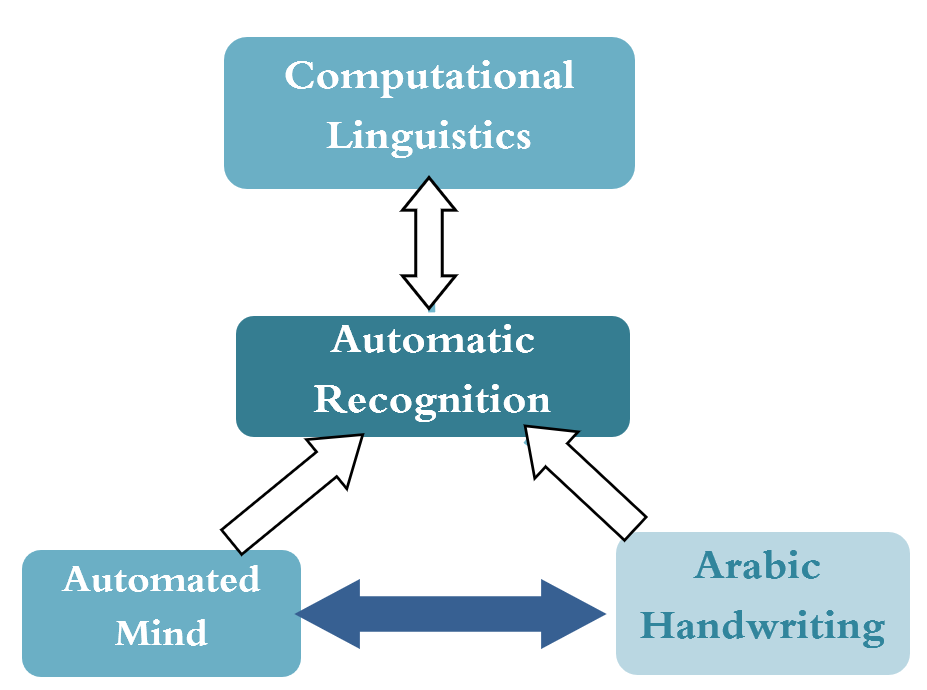
Arabic handwriting has faced several challenges throughout its historical journey. First, its morphological problems were overcome through ‘Abu l-‘Aswad’s endeavors. Then, with the efforts of Nasr bin ‘āsim and Yahya bin Ya‘mur, the closure of its graphic sign system was addressed fulfilling its linguistic functions. Next, through the reforms of ’Al- farāhīdī its coding was completed. In addition to these achievements that resolved the phonological and semantic issues in developing the graphemes of the handwriting system, Ibn Muqla introduced a new challenge on the aesthetic aspect of the letter. By following strict rules that established the aesthetic proportions of each Arabic letter and its subordinate elements according to each type of font, the dot became a geographical unit of measurement. This approach was endorsed by those who came after him, such as ’Ibn ’Al-Bawwāb and Yāqūt ’al-Musta‘simī. However, in the modern era, Arabic handwriting presents us with a new challenge, as it has become an integral part of the electronic, digital, and computer communication structures, and solutions for the automatic recognition of Arabic graphemes. Despite the existing efforts in many laboratories and research institutions, the subject raises problems such as the formation of Arabic letters, their design and construction, the capabilities of automatic recognition, and the need for faster letters readability.DOI:
https://doi.org/10.63942/brjssh.v5.i9.p85.67653Keywords:
Arabic handwriting, automatic recognition, dot., language computingIntroduction audio
A spoken introduction to this research.
Research ID
Universal Unique Research ID
ab74fb57-3325-48a8-8b1d-ef80e9daed0bFigures
Select a figure to view the full image.



References
Abu ʿArab, M. (2023, September 23). Al-Nuqṭah: Tārīkh mukhtaṣar li-sīrat al-ḥarf [The dot: A concise history of the letter’s journey]. Ṣaḥīfat al-Khalīj [Al Khaleej Newspaper] (16197).
Achard, P. (1988). La spécificité de l’écrit est-elle d’ordre linguistique ou discursif? [Is the specificity of writing linguistic or discursive?]. In N. Catach (Ed.), Pour une théorie de la langue écrite [For a theory of written language]. C.N.R.S.
al-Kurdī, M. Ṭ. (1982). Tārīkh al-khaṭṭ al-ʿarabī wa-ādābihi [The history and aesthetics of Arabic calligraphy] (2nd ed.). Al-Jamʿiyyah al-ʿArabiyyah al-Saʿūdiyyah lil-Thaqāfah wa-al-Funūn.
al-Māgrī, M. (1991). al-Shakl wa-al-khiṭāb: Madkhal li-taḥlīl ẓāhirātī [Form and discourse: A phenomenological introduction]. al-Markaz al-Thaqāfī al-ʿArabī.
Al-Masʿūd, Ḥ. (1981). al-Khaṭṭ al-ʿArabī [Arabic calligraphy]. Dār Nashr Flammarion.
Al-Qāsim, J. M. M. (2015). Ṣuʿūbāt taʿallum al-qirāʾah wa-al-kitābah [Difficulties in learning reading and writing]. Dār Ṣafāʾ.
Bahashwan, M. A., & Abu-Bakar, S. A. R. (2015). Offline handwritten Arabic character recognition using features extracted from curvelet and spatial domains.1 Research Journal of Applied Sciences, Engineering and Technology, 11(2), 158–164. https://doi.org/10.19026/rjaset.11.1702
Baqshīsh, M. (2000, September). ʿUrs lil-khaṭṭ al-ʿArabī [A festival for Arabic calligraphy]. Majallat al-Hilāl [Al Hilal Magazine] (9).
Benbakreti, S., Mohamed, B., & Kamel, B. M. (2020). Offline Arabic handwriting recognition using deep neural approach. In Conference Intervention of Artificial Intelligence and Its Applications (ISCV) (pp. 366–375). Faculty of Exact Science, University of El-Oued.
Bollon, P., Chassery, J. M., Cocquerez, J. P., Demigny, D., Graffigne, C., Montanvert, A., Philipp, S., Zéboudj, R., & Zerubia, J. (1995). Analyse d’images: Filtrage et segmentation [Image analysis: Filtering and segmentation]. Masson Publication.
Bouabdallah, L. (2007, June). Mafhūm al-khaṭṭ wa-wazāʾifuh: Muqārabah lisāniyyah sīmiyūlūjiyyah [The concept of handwriting and its functions: A linguistic semiological approach]. Majallat al-Ādāb wa-al-Lughāt [Journal of Letters and Languages], 2(3), 189–213.
Bouabdallah, L. (2014). Radāʾat al-khaṭṭ: Ẓawāhiruhā, wa-asbābuhā al-sīkūlūjiyyah wa-al-maʿrifiyyah: Dirāsah maydāniyyah min manẓūr lisānī ghrafūlūjī [Poor handwriting: Its manifestations and its psychological and cognitive causes — a field study from a linguistic graphological perspective]. Dār al-Amal.
Bouabdallah, L. (2020).2 Arabic handwriting between graphical structural system and aesthetic reality. Arabic Language, Literature & Culture, 5(3), 35–43. https://doi.org/10.11648/j.allc.20200503.12
Cocula, B., & Peyroutet, C. (1978). Didactique de l’expression: De la théorie à la pratique [Didactics of expression: From theory to practice].
Ḍabʿī, al-N. (2022). Fī ḥawsabat al-lughah al-ʿArabiyyah: al-wāqiʿ wa-al-taḥaddiyāt [On Arabic language computing: Reality and challenges]. Majallat al-Ādāb wa-al-ʿUlūm al-Insāniyyah [Journal of Arts and Humanities], 15(2), 115–132.
Ibn al-Anbārī, A. B. (1971). Kitāb īḍāḥ al-waqf wa-al-ibtidāʾ fī kitāb Allāh ʿazza wa-jall [The elucidation of stopping and starting in the Book of God Almighty] (M. al-Dīn ʿAbd al-Raḥmān Ramaḍān, Ed.). Maṭbūʿāt Majmaʿ al-Lughah al-ʿArabiyyah.
Ibn Jallūl, M. (2021). al-Khaṭṭ al-ʿArabī min al-kitābah al-yadawiyyah ilā al-muʿālaghah al-āliyyah: Dirāsah ḥawsabiyyah fī ḍawʾ al-lisāniyyāt al-taṭbīqiyyah [Arabic script from handwriting to computational processing: A computational study in the light of applied linguistics]. Majallat Dirāsāt Muʿāṣirah [Contemporary Studies Journal], 5(2), 143–160.
Ibn Muqla. (1994). Risālat Ibn Muqla fī al-khaṭṭ wa-al-qalam [Ibn Muqla’s treatise on calligraphy and the pen]. In H. Nāǧī (Ed.), Ibn Muqla khāṭṭan wa-adīban wa-insānan: Maʿa taḥqīq risālatihi fī al-khaṭṭ wa-al-qalam[Ibn Muqla as calligrapher, writer, and man: With a critical edition of his treatise on calligraphy and the pen]. Dār al-Shuʾūn al-Thaqāfiyyah al-ʿĀmmah.
Ibrāhīm, K. S. (1998). Sayyid Ibrāhīm shāʿir al-khaṭṭ al-ʿArabī [Sayyid Ibrahim, the poet of Arabic calligraphy]. Majallat al-ʿArabī [Al Arabi Magazine] (480).
ʿĪsawī, ʿA. al-R. (1993). ʿIlm al-nafs wa-al-insān [Psychology and the human being]. al-Dār al-Jāmiʿiyyah lil-Ṭibāʿah wa-al-Nashr.
Jābir, Y. H. (1998). Al-madāris al-lisāniyyah al-ḥadīthah [Modern linguistic schools]. Majallat al-Bayān [Al-Bayān Magazine] (331).
Nassār, M. (2010). Al-tazwīr wa-al-usus al-ʿilmiyyah li-muqāranat al-khuṭūṭ al-yadawiyyah [Forgery and the scientific foundations of handwriting comparison] (2nd ed.). Dār al-ʿUlūm.
Olivaux, R. (1991). Pédagogie de l’écriture et graphothérapie [Pedagogy of writing and graphotherapy] (2nd ed.).
Rashwān, M., & al-Muʿtazz Billāh, S. (2019). Muqaddimah fī ḥawsabat al-lughah al-ʿarabiyyah [Introduction to Arabic language computing]. Markaz al-Malik ʿAbd Allāh bin ʿAbd al-ʿAzīz al-Duwalī li-Khidmat al-Lughah al-ʿArabiyyah.
Rougab, J. (2019, September). Raqmanat al-khaṭṭ al-ʿarabī wa-dawruhu fī taḥqīq al-makhṭūṭāt: Mashārīʿ taqniyyah wa-taḥaddiyyāt bashariyyah [Digitization of Arabic calligraphy and its role in manuscript editing: Technological projects and human challenges]. Al-Majallah al-Jazāʾiriyyah li-al-Abḥāth wa-al-Dirāsāt [Algerian Journal of Research and Studies], 2(8), 14–24.
Tammām Ḥassān. (2021). Al-lughah al-ʿarabiyyah: Maʿnāhā wa-mabnāhā [The Arabic language: Its meaning and structure]. Dār al-Thaqāfah.
Wālī, Ḥ. (1985). Kitāb al-imlāʾ [The book of orthography]. Dār al-Qalam.
Copyright & reuse
© 2025 Labidi Bouabdallah. Authors retain copyright in their work. Reuse is permitted under Creative Commons Attribution 4.0 when the authors and original publication are credited.
License terms · Copyright policy
Disclaimer
The claims in this article belong to its authors and do not necessarily reflect the views of their institutions, Boston Research Journals, editors or reviewers. Publication does not constitute endorsement of a product or manufacturer’s claim.
Published
Issue
License
Copyright (c) 2024 Boston Research Journal of Social Sciences & Humanities

This work is licensed under a Creative Commons Attribution 4.0 International License.
Publication record
- Accepted
- 2025-10-28
- Published
- 2025-11-15
- Pages in issue
- 85 - 103
- Online ISSN
- 2834-4863
- Print ISSN
- 2834-4855
Peer reviewed research
Review by at least two independent experts under a double-blind process.
Peer review process ↗Copyright & access
🟢 Open Access | Creative Commons Attribution 4.0 International License (CC BY 4.0)
View license terms ↗Preservation & archival

Long-term preservation with BRJ Cloud.
View archival policy ↗Published by BRJ
Compiled and published in the United States of America.
About Boston Research Journals ↗Share this research